Someone at every event planning meeting says it.
Not always out loud. Sometimes it is just a look. But the thought is there: “Indian food is delicious, but is it going to be a bit… heavy?”
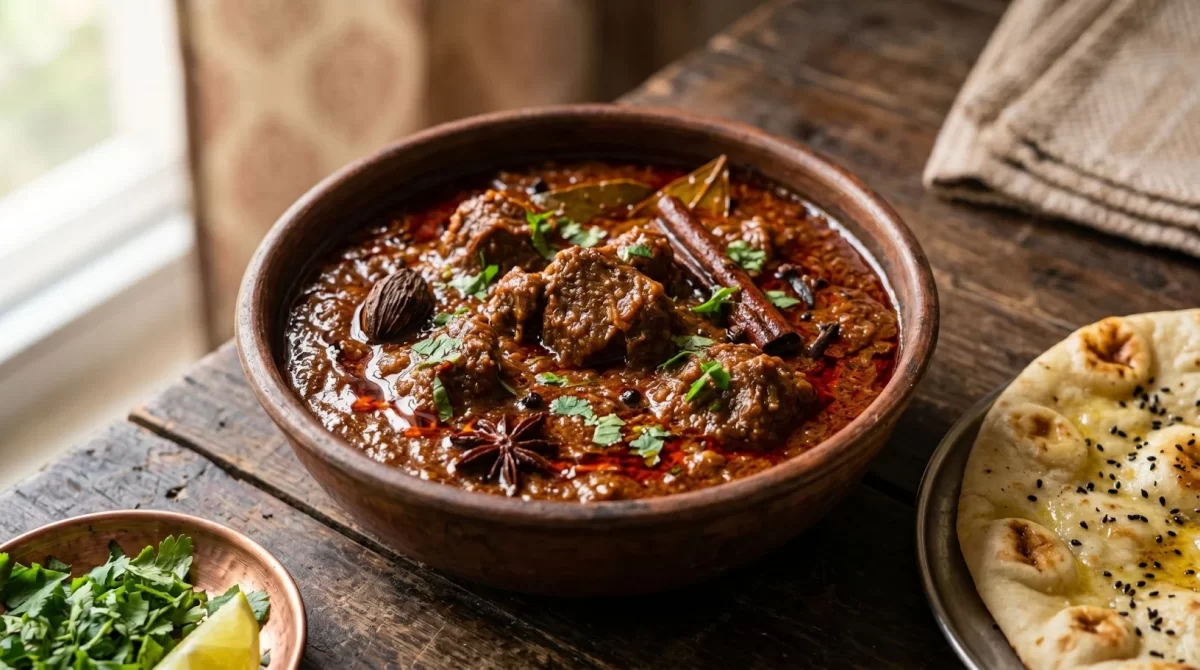
And honestly, it is a fair concern to raise. We have all been to places where the curry arrives sitting in a pool of orange oil, where the naan is so soaked in butter it leaves marks on the plate, where you finish eating and immediately want to lie down. That version of Indian food exists. We are not going to pretend it does not.
But here is what that experience actually reflects. It reflects a specific style of cooking, often found in restaurants optimising for richness and satisfaction per plate rather than balance. It does not reflect Indian food as a whole. And it is a long way from what traditional Indian home cooking, or well-executed event catering, actually looks like.
The reality is that Indian cuisine, at its core, is built around ingredients and techniques that nutritionists spend a lot of time talking about. Lentils, fresh vegetables, fermented foods, and a spice cabinet that reads like a list of things functional medicine practitioners recommend. The food that billions of people have eaten every day for thousands of years is not, at its heart, bad for you.
Let us go through it properly.
What Indian Spices Actually Do?
Before we get into specific dishes, it is worth spending a moment on the spices. Because they are not just flavour. They have never just been flavourful. Indian cooking has used many of these ingredients medicinally for centuries, long before Western science caught up and started publishing papers about them.
Turmeric
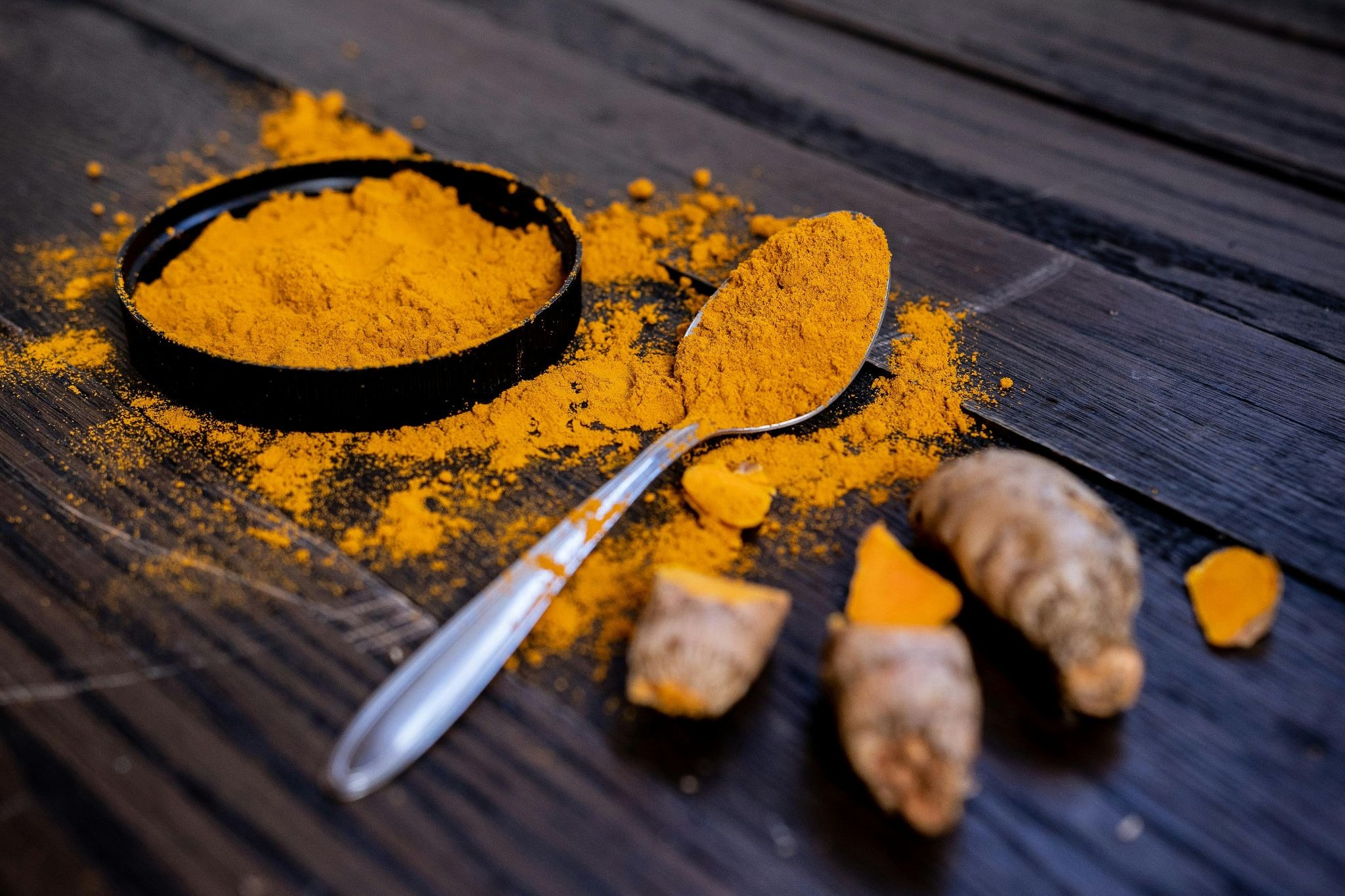
Turmeric is in almost everything. The yellow colour in your dal, your curry, your rice. The active compound in turmeric is curcumin, and the research around it is genuinely substantial. Anti-inflammatory properties, antioxidant activity, potential benefits for joint health and digestion. It has become fashionable in wellness circles recently, appearing in golden lattes and supplement capsules, but Indian cooking has been using it quietly in everyday meals for a very long time.
A pinch of turmeric in a pot of dal is not medicine. But it is not nothing either.
Cumin and Coriander
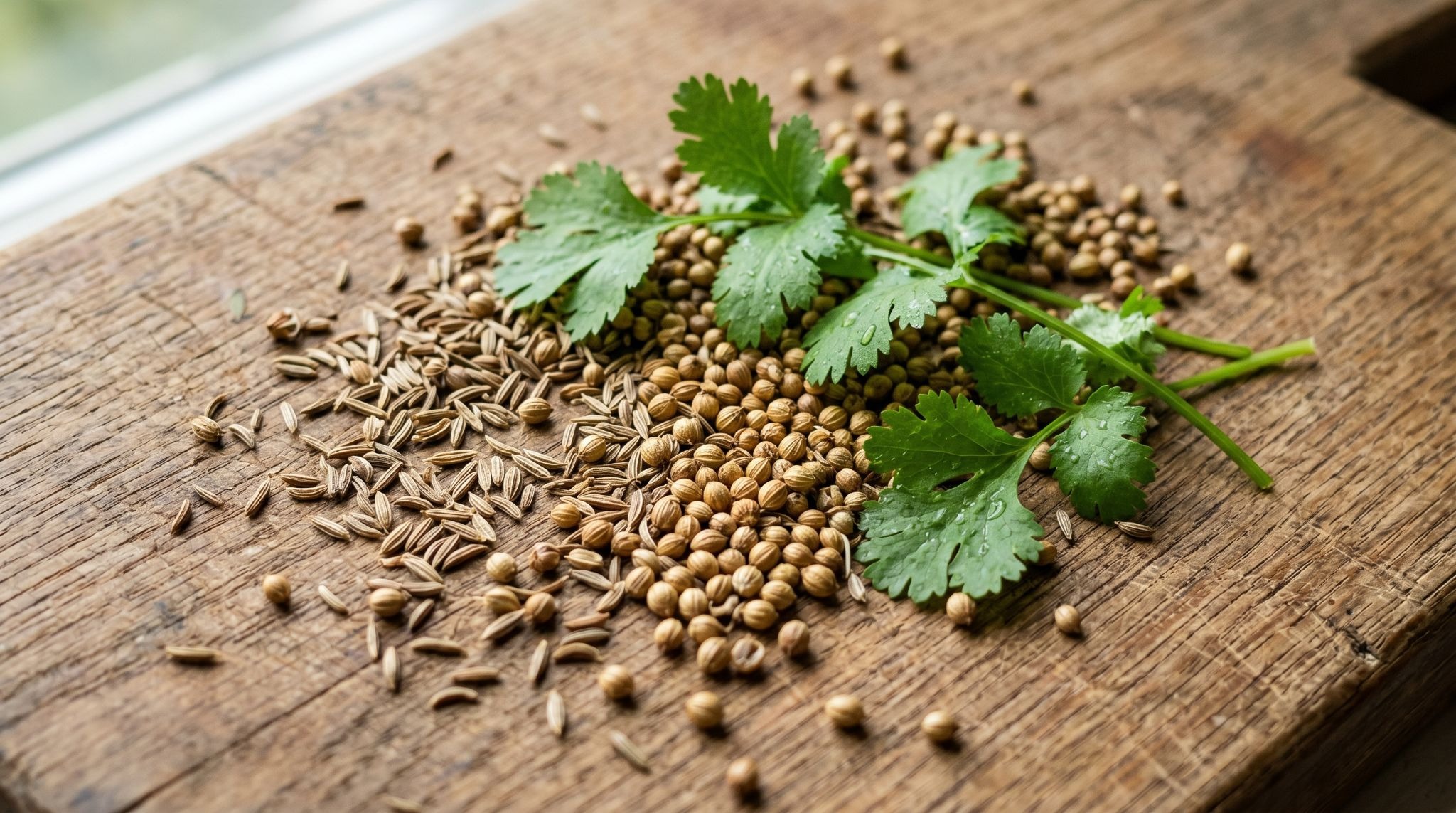
These two tend to travel together in Indian cooking, and both bring more than flavour. Cumin in particular has a strong association with digestive health. It stimulates the production of enzymes that help break down food, which is probably one reason why Indian meals that include a lot of lentils and legumes do not cause the digestive issues you might expect.
Coriander, both the seeds and the fresh leaves, has a cooling quality that balances heat in a dish. In Ayurvedic cooking it is used specifically to offset the intensity of chilli. There is a reason these two show up together so consistently.
Ginger and Garlic
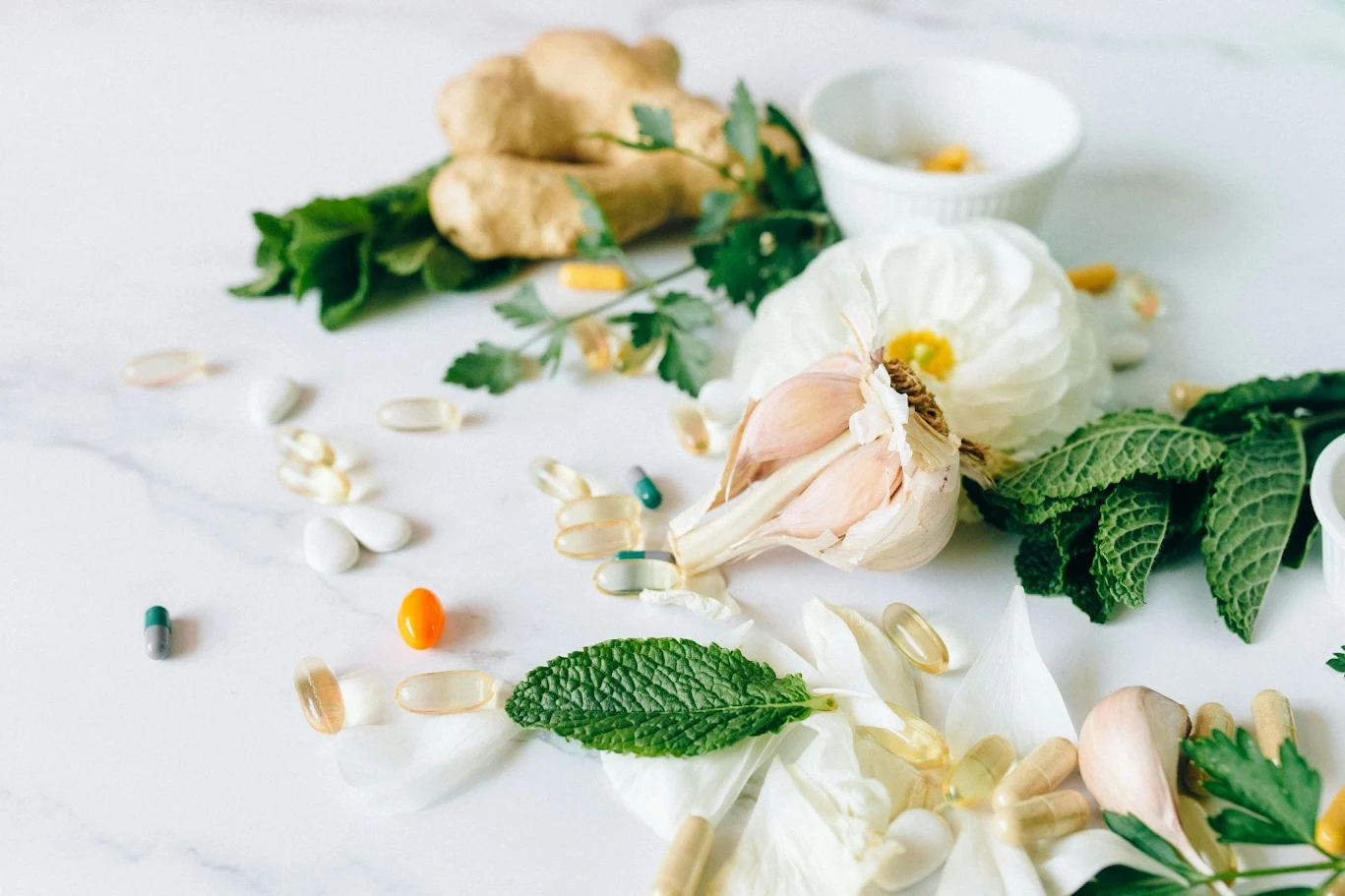
The base of almost every Indian gravy starts with ginger and garlic. Not because someone decided it tasted good once and the habit stuck, but because both of these ingredients have been understood for a very long time as genuinely beneficial.
Ginger for nausea, for inflammation, for circulation. Garlic for the immune system, for cardiovascular health, for its antimicrobial properties. The research backing up both of these is considerable and fairly well established. In Indian cooking they are not supplements. They are just Tuesday.
Cardamom and Fenugreek
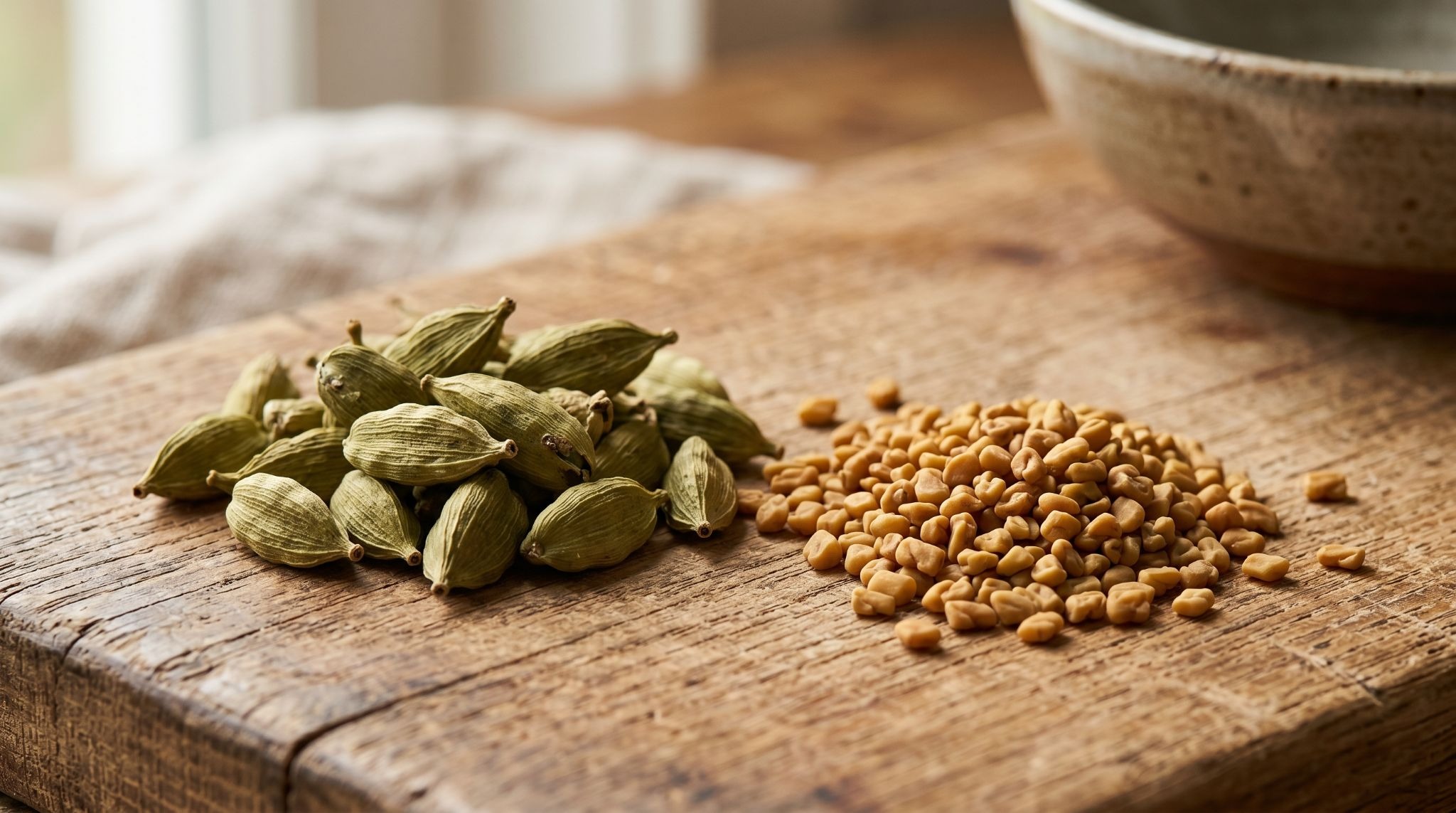
Cardamom is the spice that ends meals in Indian households, either in a chai or simply chewed whole after eating. It is a digestive aid and a breath freshener, and its flavour in sweet dishes, kheer, halwa, biryani, is one of the most distinctive things about Indian food.
Fenugreek is slightly bitter and slightly nutty and used in smaller quantities, but its role in blood sugar management has been studied enough that it appears in diabetes research fairly regularly. In Indian cooking it turns up in dal, in spice blends, in breads. One of those background ingredients that quietly earns its place.
The Nutritional Case for Indian Food
Beyond the spices, the actual composition of a traditional Indian meal holds up well nutritionally.
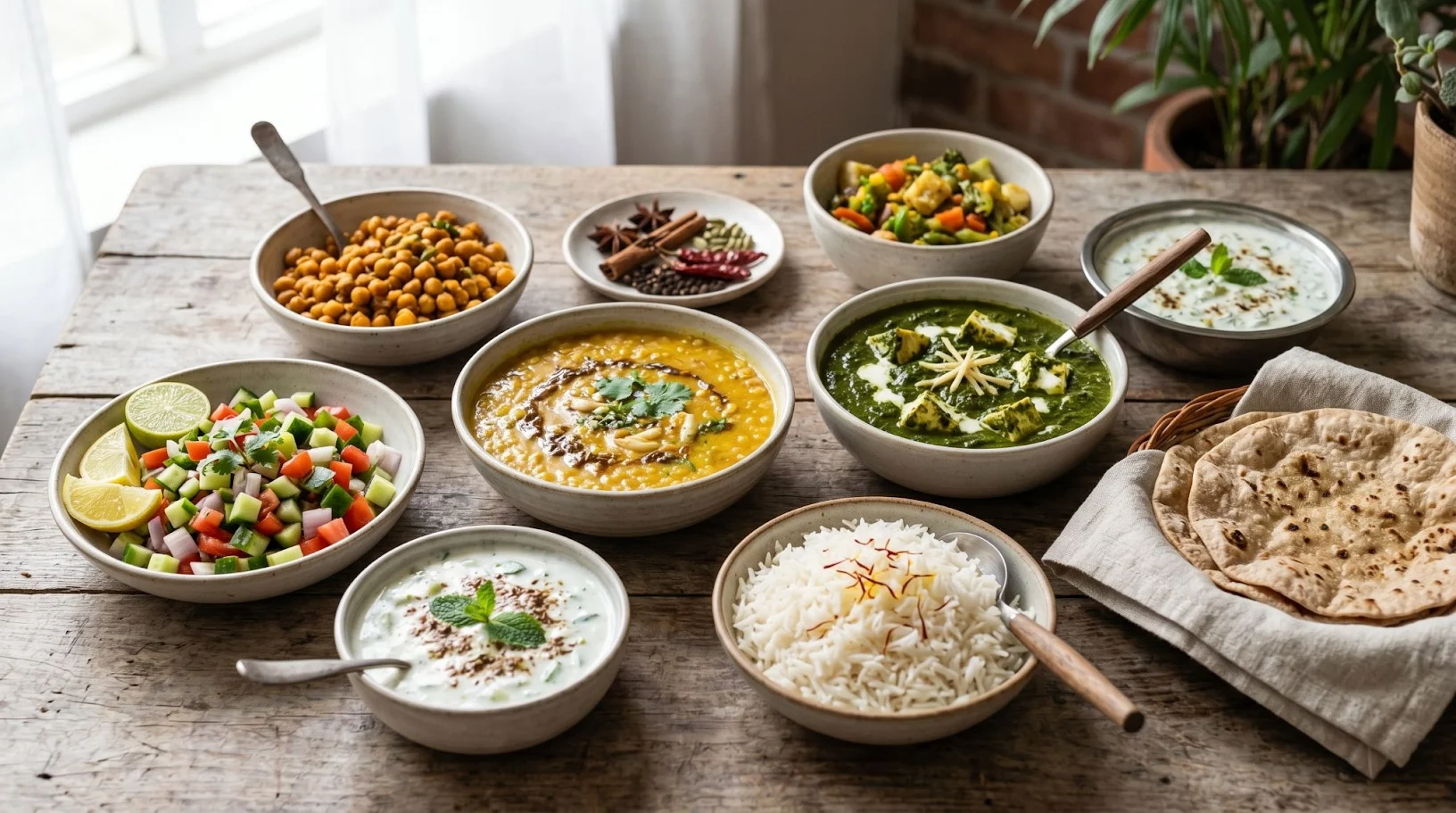
Lentils and legumes are the backbone of Indian vegetarian cooking. Dal, chana, rajma, these are all high in protein, high in fibre, low in fat, and genuinely filling. A bowl of well-made dal makhani contains more protein than most people expect from a dish that contains no meat. For guests who do not eat meat, or who are trying to eat less of it, a good Indian vegetarian spread is not a compromise.
Fibre comes in from multiple directions in an Indian meal. Lentils, vegetables cooked into curries, whole wheat roti, fresh chutneys made from raw ingredients. The average traditional Indian meal has a fibre content that would make a nutritionist fairly happy.
Fermented foods appear more often in Indian cooking than people realise. The yoghurt served alongside most meals is not just a cooling agent. It is a source of probiotics and calcium. Dosa and idli batters are fermented. Lassi is a cultured drink. These are not superfoods being marketed at a premium. They are everyday parts of a cuisine that figured out fermentation a long time ago.
Plant variety is another thing that stands out. A single Indian meal might involve five or six different vegetables, cooked in different ways, seasoned differently, served across multiple small dishes. That range of plant matter in a single sitting is something most Western meals do not come close to.
The Dishes Worth Knowing About
Dal Tadka
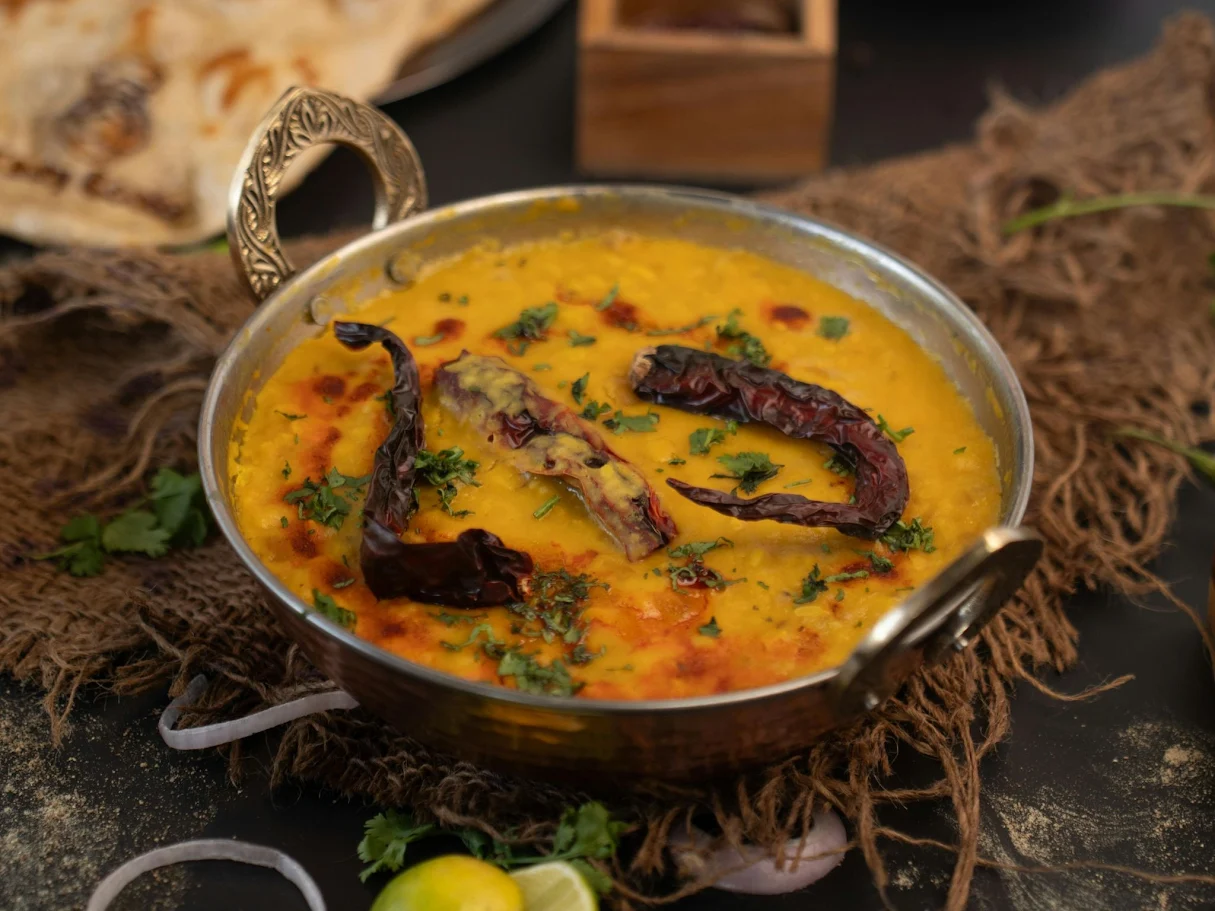
Dal tadka is the everyday version of dal, thinner and simpler than the slow-cooked dal makhani, made with yellow lentils and finished with a hot tempering of cumin, garlic, dried chilli, and sometimes tomato poured over the top.
It is one of the most nutritionally complete things you can eat. High in protein and fibre, low in fat unless you add a lot of ghee to the tempering, and genuinely delicious in a quiet, honest way. At events it works well as part of a larger spread because it balances richer dishes without competing with them.
Tandoori Dishes
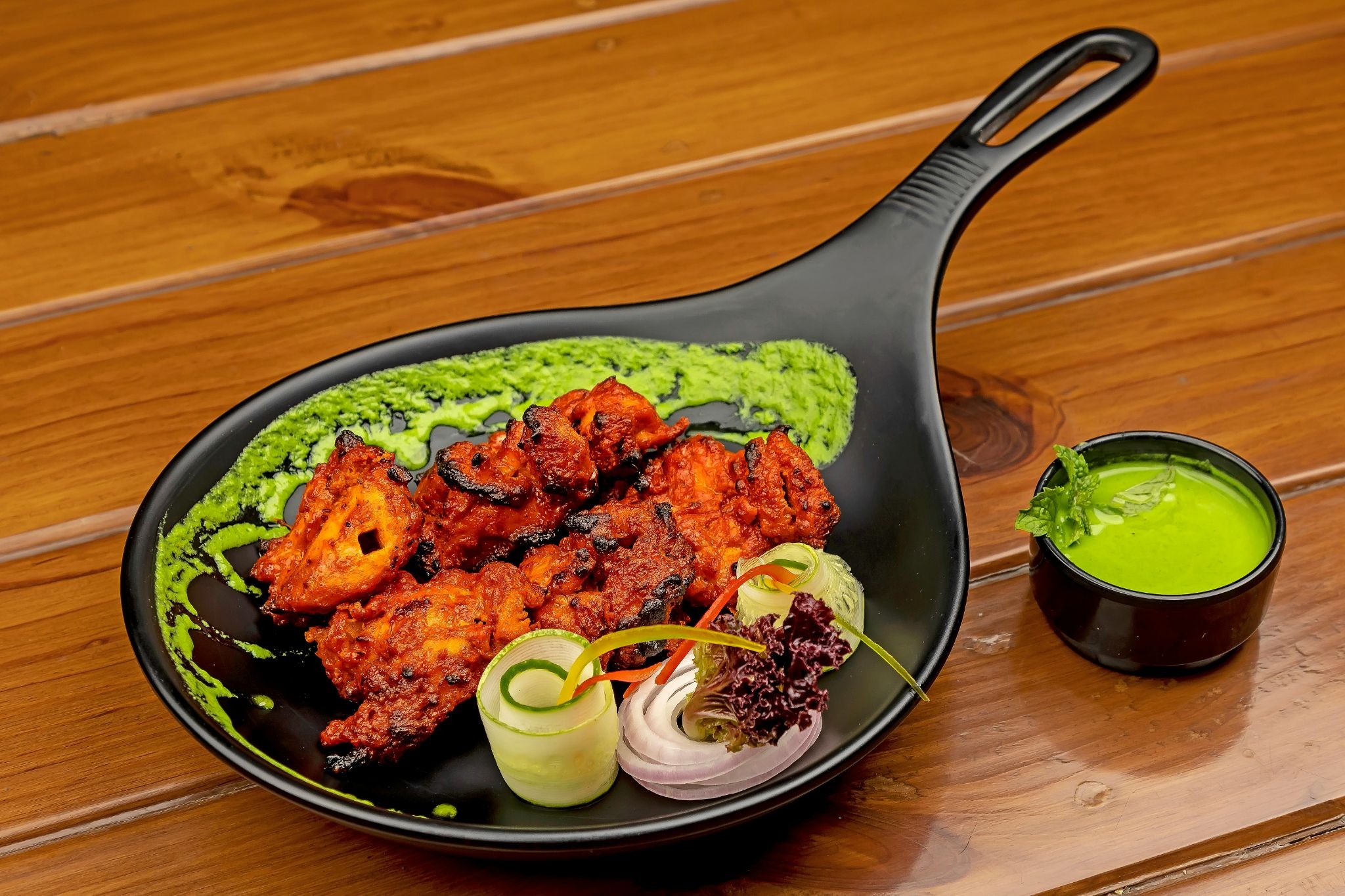
Tandoori cooking is essentially the original healthy fast food, which sounds like a stretch but is not really.
The marinade is yoghurt and spices. The cooking method is extreme dry heat in a clay oven, which means the fat in the marinade is largely rendered off rather than sitting in a sauce. Tandoori chicken, seekh kebab, tandoori prawns, all of these are high in protein, relatively low in fat as Indian dishes go, and cooked without any oil beyond what is in the marinade itself.
For guests who are health-conscious, a tandoori spread is genuinely one of the better options you can put in front of them at a catered event.
Saag Curries
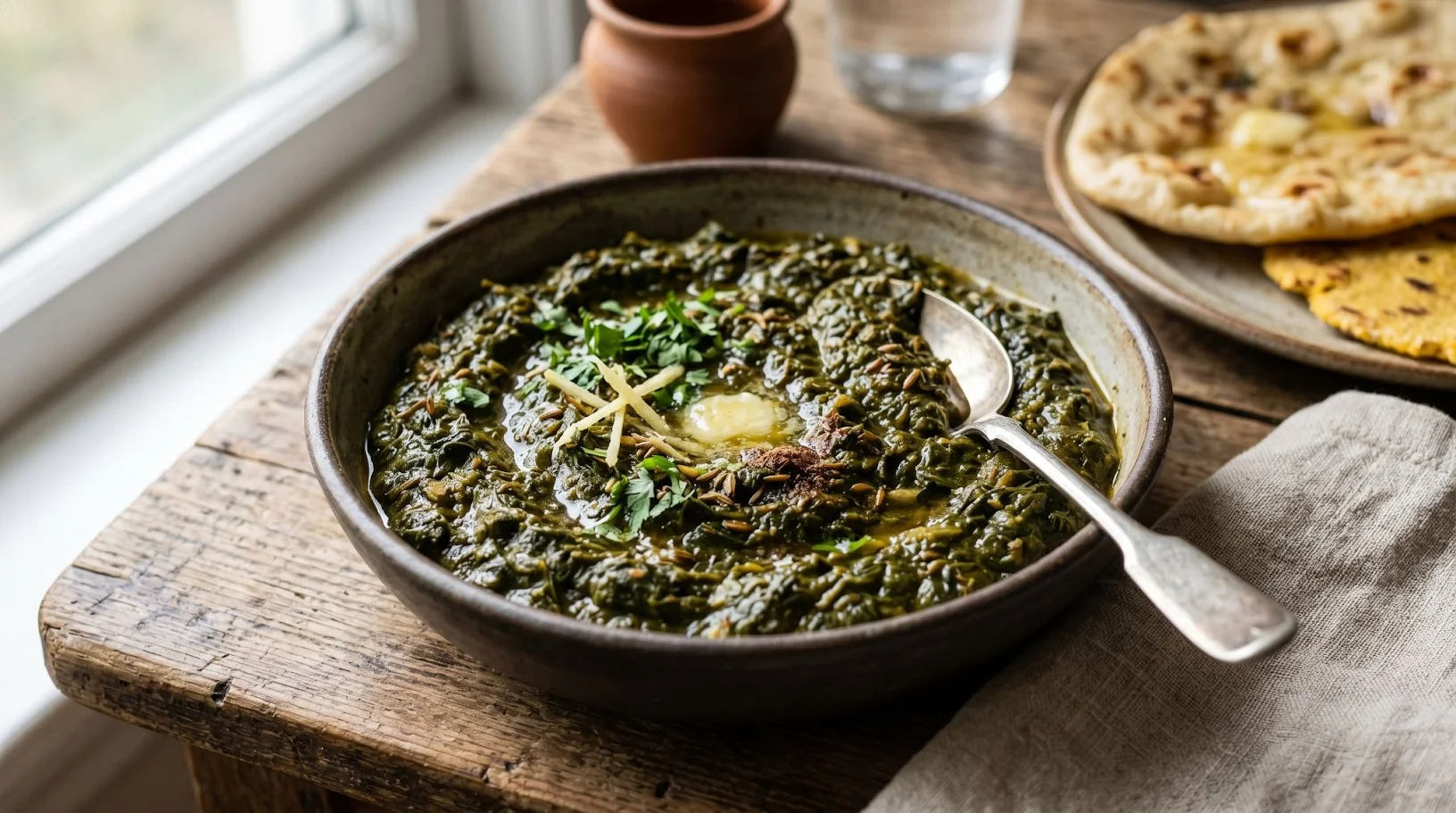
Saag means leafy greens, usually spinach but sometimes mustard leaves or a mix of both. A saag curry is a lot of green vegetables cooked down into a thick sauce with ginger, garlic, and spices.
Saag paneer is the most well-known version, where the spinach sauce comes with cubes of fresh cheese. Saag chicken and saag lamb exist too. All of them are essentially a very large quantity of leafy greens in edible form. The iron content in a good saag is substantial. The vitamins follow. The flavour, when it is made well, makes none of that feel like eating virtuously.
Raita and Fresh Salads
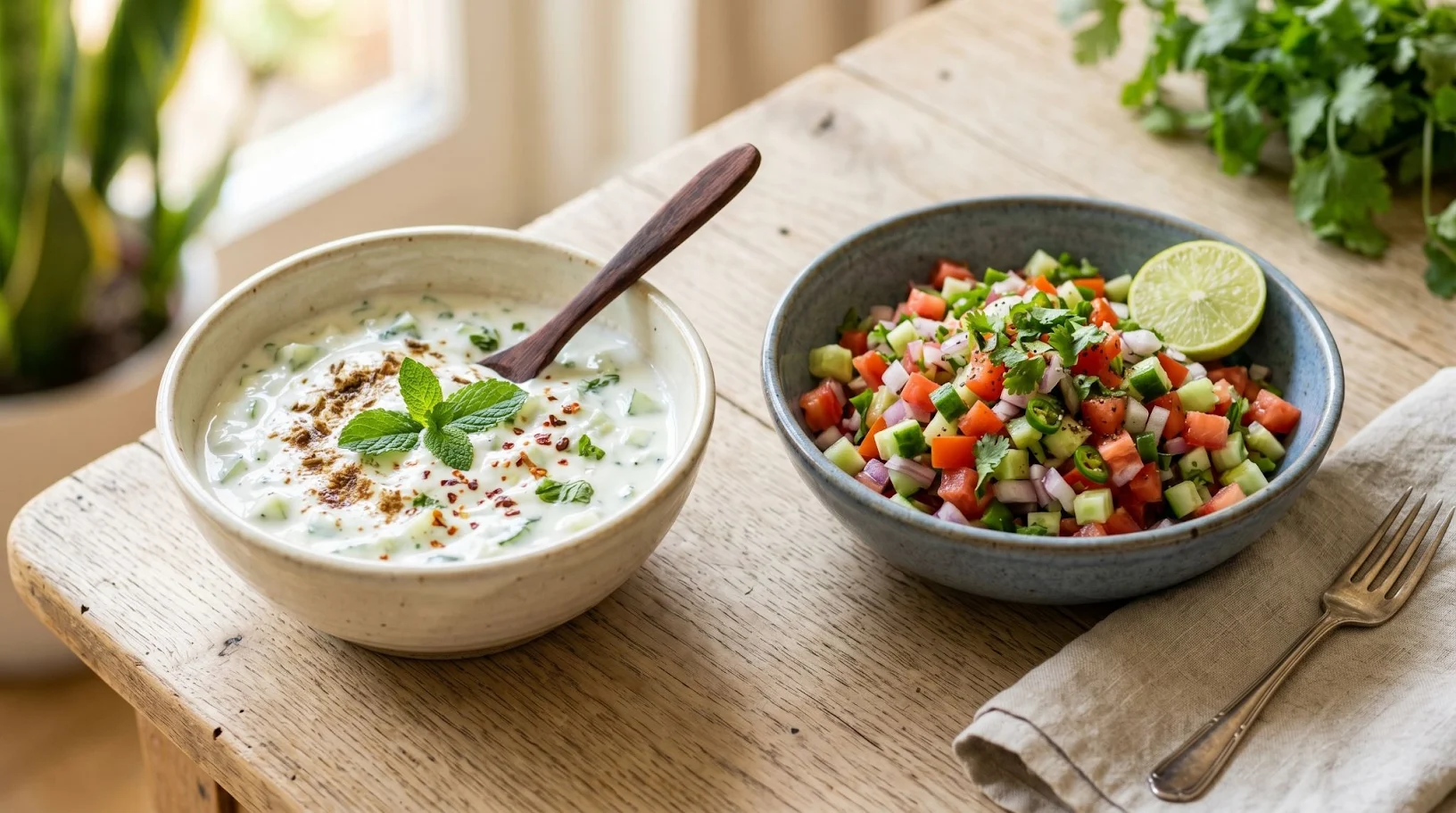
Raita often gets overlooked as a side dish that just sits there looking cool. But a good raita made with full-fat yoghurt, fresh cucumber, mint, and a light seasoning is a genuinely valuable part of an Indian meal. It introduces probiotics. It balances the heat of spiced dishes. It adds a freshness that makes the whole plate feel lighter.
Kachumber salad, which is just finely chopped tomato, cucumber, and onion with lemon juice and coriander, is simple and good and tends to get eaten very quickly at events. It provides crunch and freshness and makes guests who are trying to be a bit careful about what they eat feel like they have a real option.
Where Indian Food Can Go Wrong ?
We should be honest about this because pretending otherwise would not be useful.
Fried street food, samosas, bhaji, pakoras, are not low-calorie foods. They are delicious and they have a place on a menu but they are not the healthy part of the story. Same with cream-heavy dishes. A korma made with a lot of cream, a shahi paneer with excessive dairy, a butter chicken where the ratio of butter to everything else has gotten out of hand. These exist. They are calorically dense in the way that heavy European sauces are calorically dense.
The difference between a well-balanced Indian menu and an indulgent one is largely about proportion and method. How much cream goes into a dish. Whether things are fried or grilled or baked. How the overall spread is structured so that lighter dishes balance richer ones.
This is not unique to Indian food. A French menu can be beautifully balanced or relentlessly rich depending on the same choices. Italian food can be simple and light or heavy with cheese and cream. The cuisine is not the problem. The decisions made within it are what matter.
Building a Menu That Feels Good to Eat
For event catering, the balance question is practical. You want guests to eat well and feel well for the rest of the evening, not to need a lie-down after the main course.
A balanced Indian event menu roughly works like this.
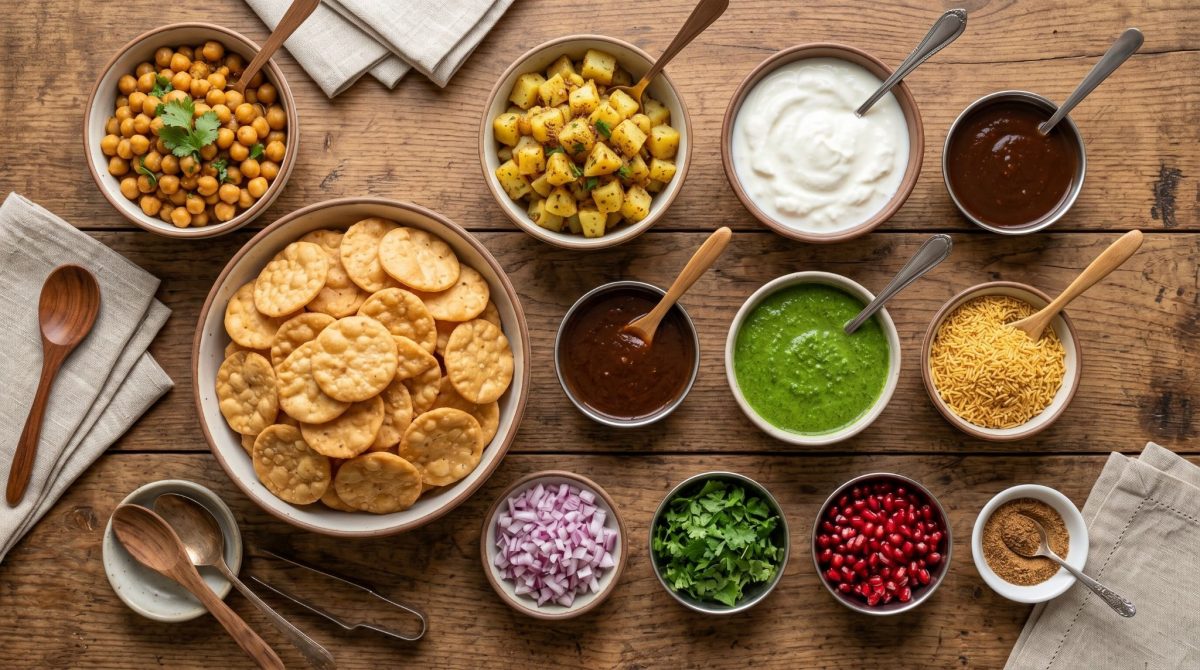
Start with things that are lighter and interactive. Tandoori items from a live station, a chaat setup, fresh bhel or papdi chaat. These are engaging and satisfying without being heavy.
For the main course, make sure the spread includes lentil dishes alongside the meat curries. Dal of some kind is not optional, it is the anchor. A saag dish covers leafy greens. One or two meat dishes can be richer because the lentils and vegetables around them balance things out.
Bread in moderation, because it is easy to eat four naans and barely notice. Having both naan and the lighter roti on the table gives guests who are watching their intake a genuine choice rather than a dilemma.
For dessert, smaller portions of something traditional rather than an excessive sweet course. Gulab jamun is served rather than a tray. A small cup of kheer. The sweet note at the end of an Indian meal is meaningful and should not be skipped, but it does not need to be excessive.
How We Think About This at Maya Caterers
When clients come to us asking for a menu that is good food without being too heavy, the conversation is usually simpler than they expect.
Traditional Indian cooking, done the way it is supposed to be done, is already reasonably balanced. The problems come in when dishes get richer than they need to be, when everything is fried, when the menu has no vegetables in it beyond what is floating in a gravy.
We build menus with this in mind from the start. It is not about making food that tastes like a compromise. It is about understanding how the different dishes work together and making sure the spread as a whole gives guests variety, balance, and something genuinely worth eating at every point in the meal.
You can look at our full menu to get a sense of the range we work with, check our FAQ page if you have specific questions about ingredients or dietary requirements, or go straight to our catering services page if you are ready to start planning.