Food trends come and go. Every year, there is something new that everyone is suddenly putting on their event menus. Grazing tables. Korean fried chicken. Activated charcoal everything.
And then the day comes when someone at the table says, “actually, can we just do a good Indian spread?”
And everyone nods.
There is a reason traditional Indian food keeps coming back. Not because people lack imagination, but because these dishes are genuinely, deeply good. They have been cooked and refined over generations by people who cared about getting them right. The recipes exist because they work. The flavors hold up because they were built to hold up.
At events, where you are feeding a room full of people with different tastes and expectations, that kind of reliability matters more than anything trendy. Nobody leaves a wedding disappointed because the butter chicken was too good.
We have been watching this play out at Sydney events for over two decades. The menus change on the surface, but the dishes that make people happy, the ones guests talk about on the way to their cars, are almost always the classics.
Here is why.
What Makes Indian Food “Traditional” in the First Place?
This is worth a moment because the word gets used loosely.
Traditional Indian food is not just old recipes. It is a specific approach to cooking that prioritizes depth over speed, whole ingredients over shortcuts, and techniques that have been passed down through families rather than learned from a packet.
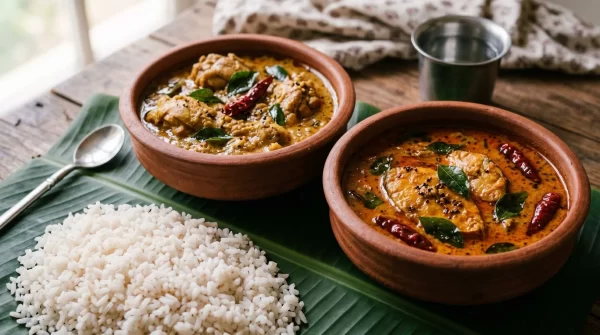
The use of whole spices is a big part of it. Whole cardamom pods, cinnamon sticks, cloves, bay leaves, dried red chilies; these go into hot oil at the beginning of a cook and slowly give up their fragrance in a way that ground spices simply cannot replicate. The difference between a dal made with whole spices and one made with spice powder is not subtle. You can taste it immediately.
Slow cooking is the other defining characteristic. Dal makhani is not a one-hour dish. A proper Rogan Josh needs time. The slow cook allows fat to render, connective tissue to break down, and spices to fully integrate into the sauce rather than sitting on top of it. You cannot rush this and get the same result.
And then there are the recipes themselves, passed from mother to daughter, from chef to apprentice, adjusted slightly over time but never fundamentally changed because there was never a reason to change them. That continuity is what gives traditional Indian food its consistency. When you taste a dish that has been made the same way for three generations, there is a kind of confidence in the flavor that you can actually sense.
The Dishes That Never Fail
Butter Chicken
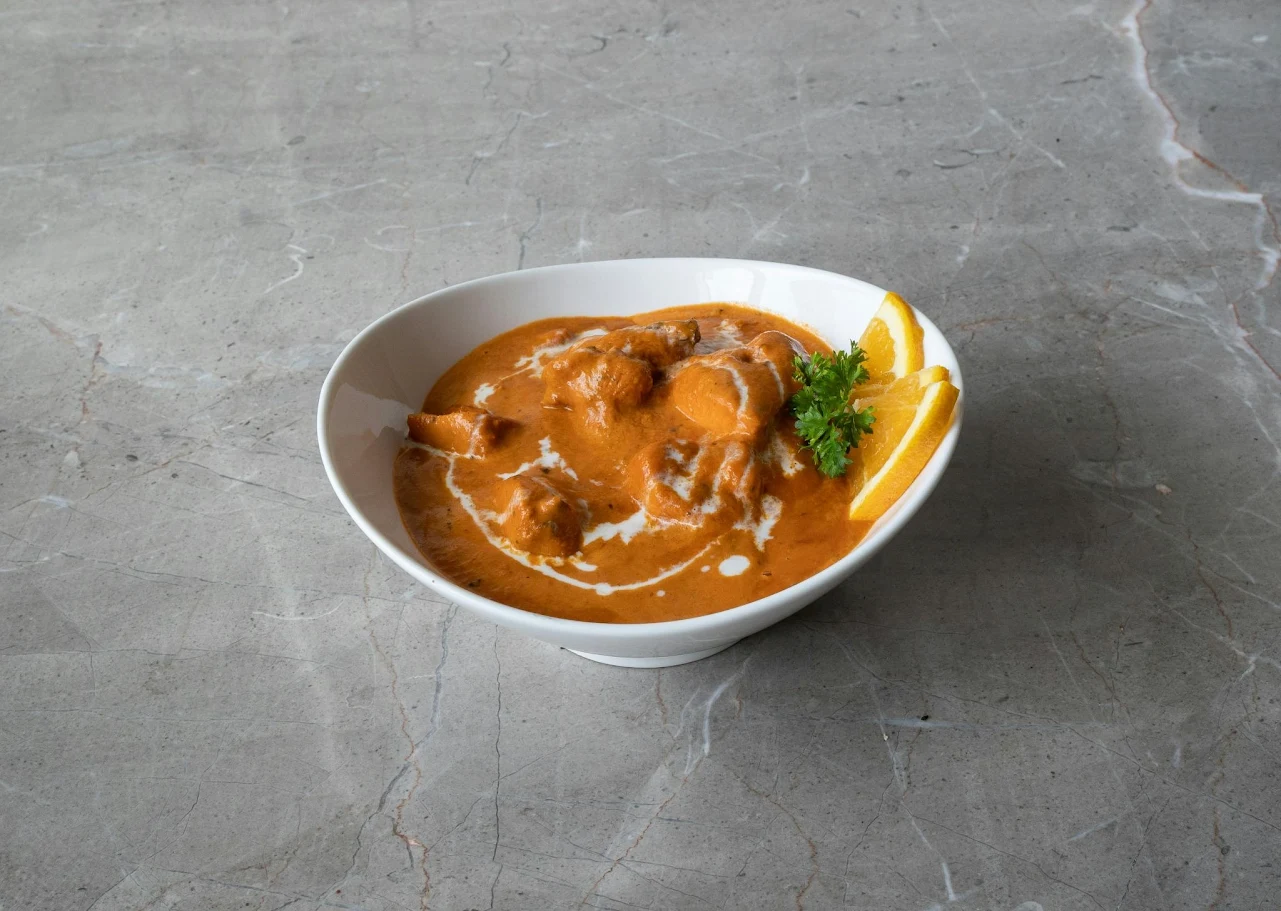
Let us be honest. Butter chicken is probably the most ordered Indian dish in Australia. That could make it feel ordinary, something everyone has had too many times to be excited about.
But here is the thing. Most people have had a lot of mediocre butter chicken. The real thing, made from properly marinated chicken that has spent time in a tandoor before being added to a sauce built slowly from tomatoes, butter, cream, and a precise spice blend, is something else entirely.
When guests who thought they knew butter chicken try a version that has been made properly, the reaction is always the same. They pause. They look at it. They go back for more.
The baseline expectation for this dish is actually an advantage. Nobody arrives skeptical. You just have to deliver on it, and when you do, it lands every time.
Dal Makhani
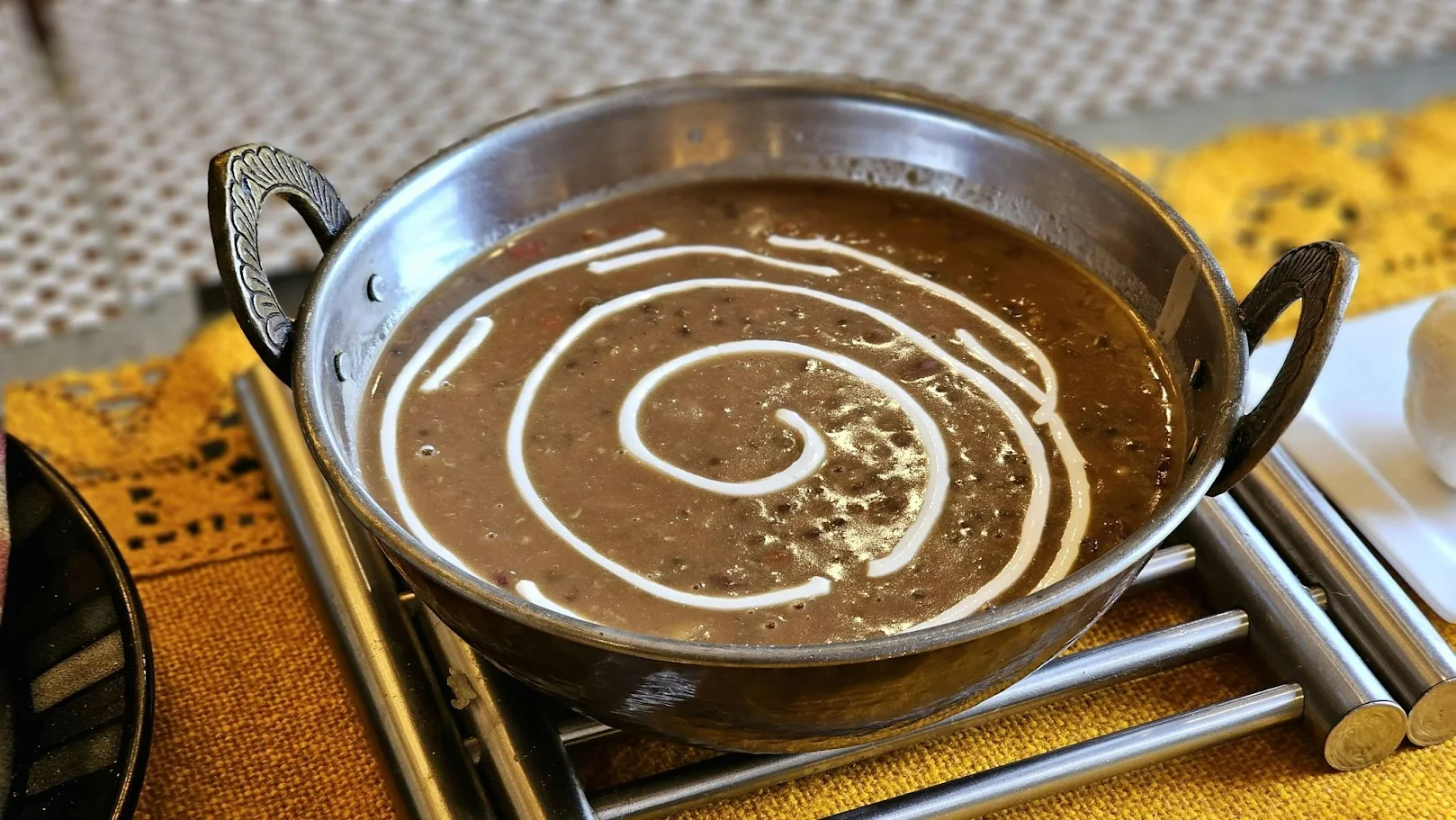
Dal makhani might be the dish we are most proud of at Maya Caterers.
Whole black lentils and red kidney beans, soaked overnight, then cooked for hours with butter, cream, tomatoes, ginger, and garlic. The long cook is not optional. It is the whole point. The lentils soften and break down slowly, the fat from the butter and cream absorbs into everything, and by the end, you have something that is simultaneously rich and deeply earthy in a way that feels almost like it has always existed in that pot.
Served with fresh roti or naan, it is the kind of dish that makes everyone at the table quiet for a moment. That is usually a good sign.
Lamb Rogan Josh
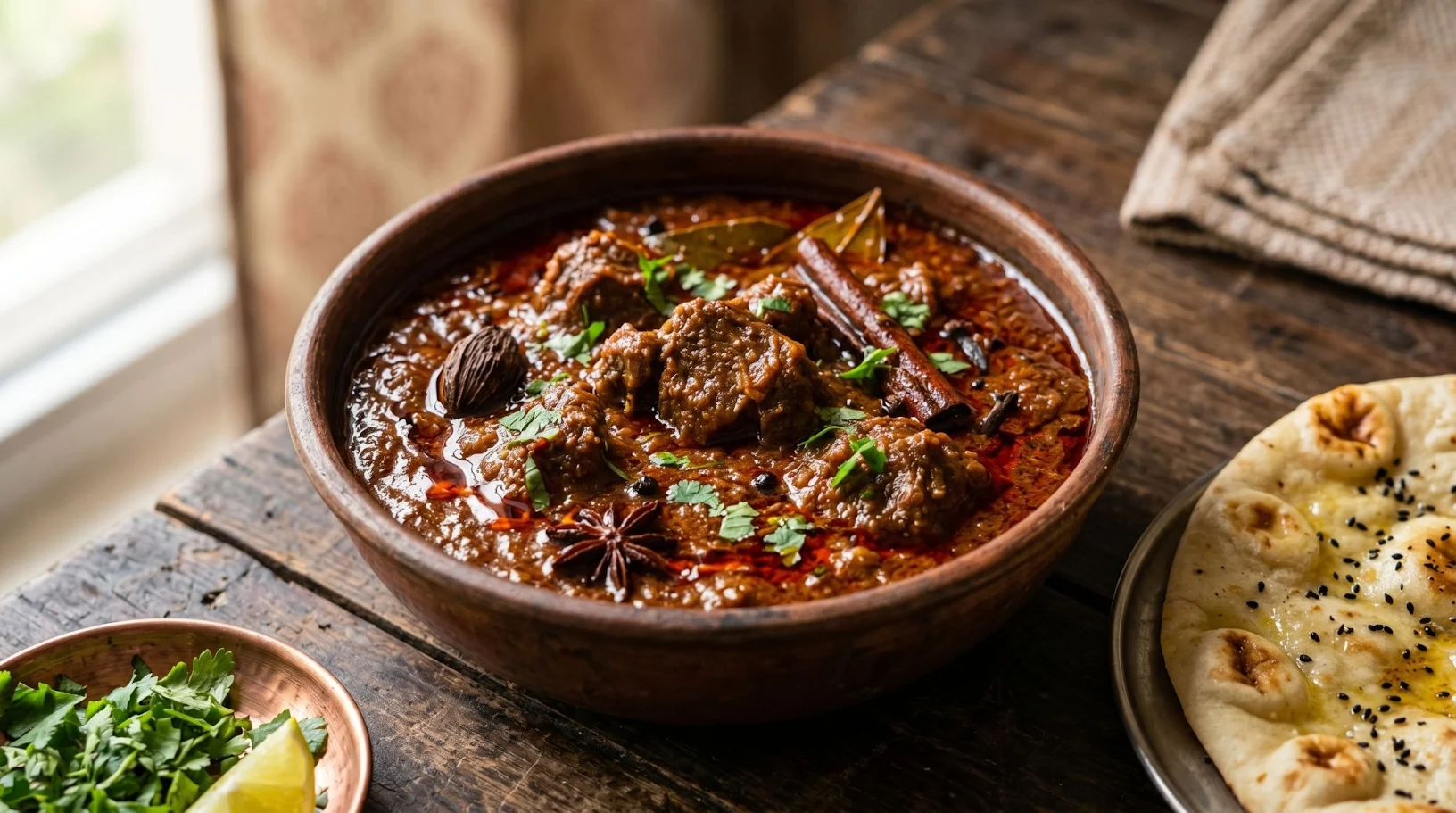
Rogan Josh is a Kashmiri dish, and the color of it alone stops people in their tracks.
That deep, brick red comes not from chili heat but from Kashmiri red chilies and dried flower petals, which give color and a mild warmth without the aggressive burn. The lamb is cooked slowly in a sauce built from whole spices, yogurt, and those distinctive Kashmiri aromatics until it is tender enough to fall apart without any encouragement.
The flavor is complex in the way that only slow-cooked things are. Warming, slightly floral, deeply savory. For guests who want something that feels like proper cooking rather than event catering, Rogan Josh is always the answer.
Biryani
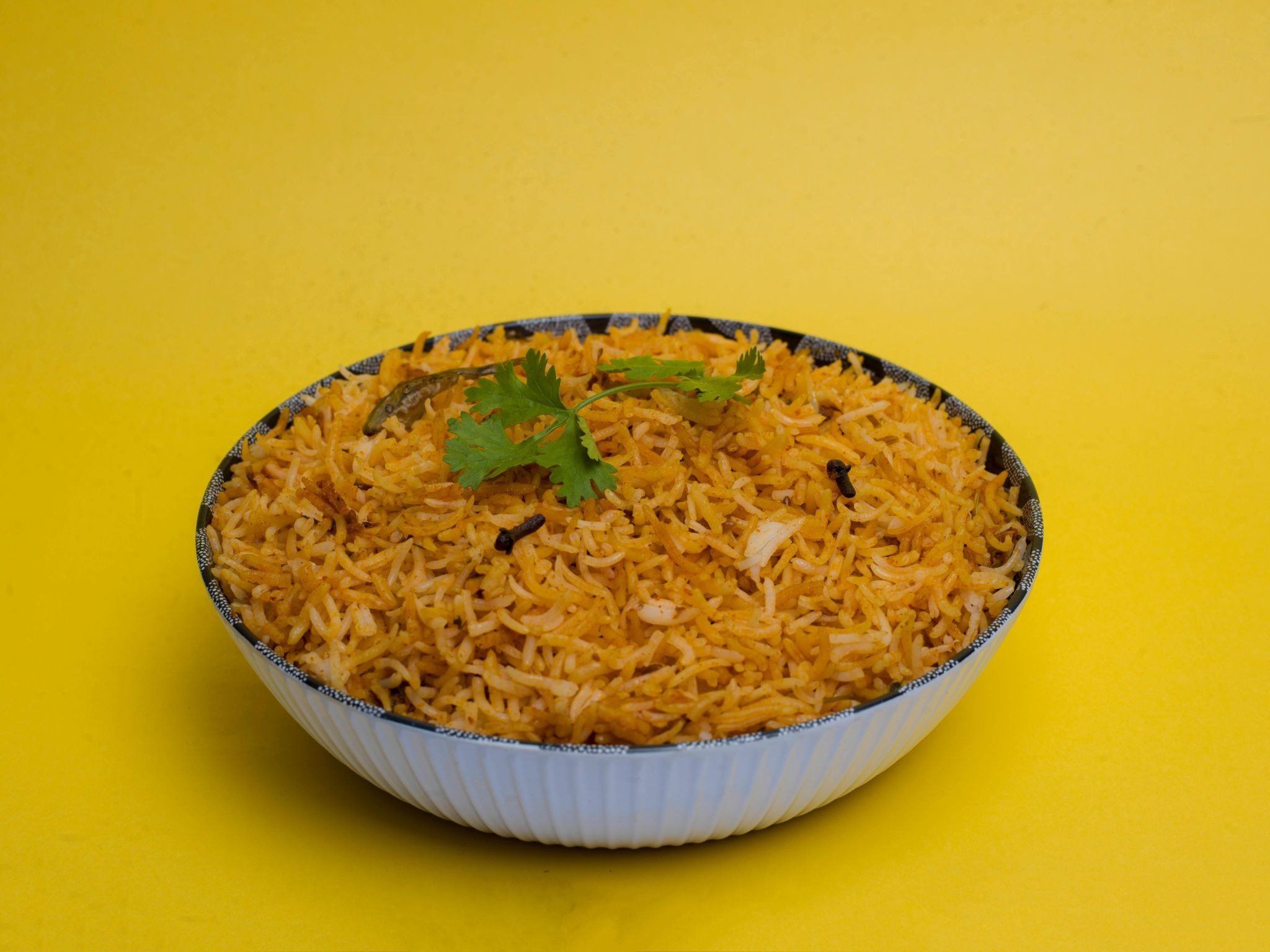
There are people who will tell you biryani is a side dish. Those people are wrong.
A proper biryani is a meal in itself. Long-grain basmati rice cooked with whole spices, layered with marinated meat, sealed, and finished slowly so that every grain absorbs the flavor around it. Saffron for color and fragrance. Fried onions for sweetness and texture. A raita on the side to cut through the richness.
The dum method, where the pot is sealed with dough, and the rice and meat cook together in trapped steam, is what separates a real biryani from rice with curry poured on top. The two things taste nothing alike. Getting it right requires time and attention, but when you do, it is the dish that holds a whole buffet table together.
Saag Paneer
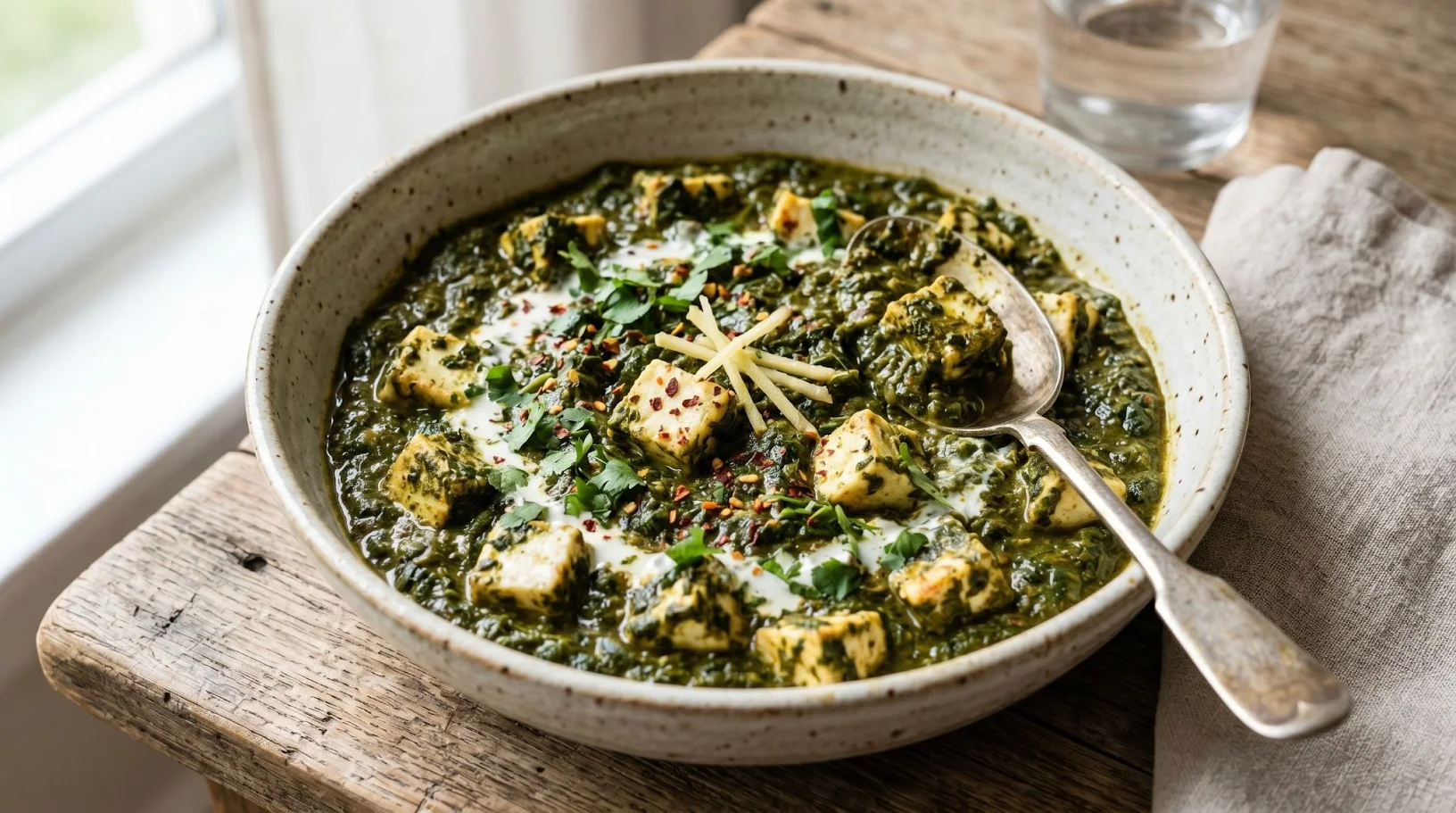
Saag paneer earns its place on this list because it does something very few dishes manage. It is genuinely satisfying for vegetarian guests without feeling like a compromise for anyone else.
Slow-cooked spinach with garlic, ginger, and spices, with cubes of fresh paneer folded through. The spinach breaks down into a thick, deeply flavored sauce, and the paneer holds its shape, adding a soft, milky contrast to all that green intensity.
It is a dish that meat-eaters reach for too, often before they have even finished what is on their plate. That crossover appeal makes it invaluable at events where you are trying to feed everyone well without running a completely separate vegetarian menu.
Tandoori Chicken
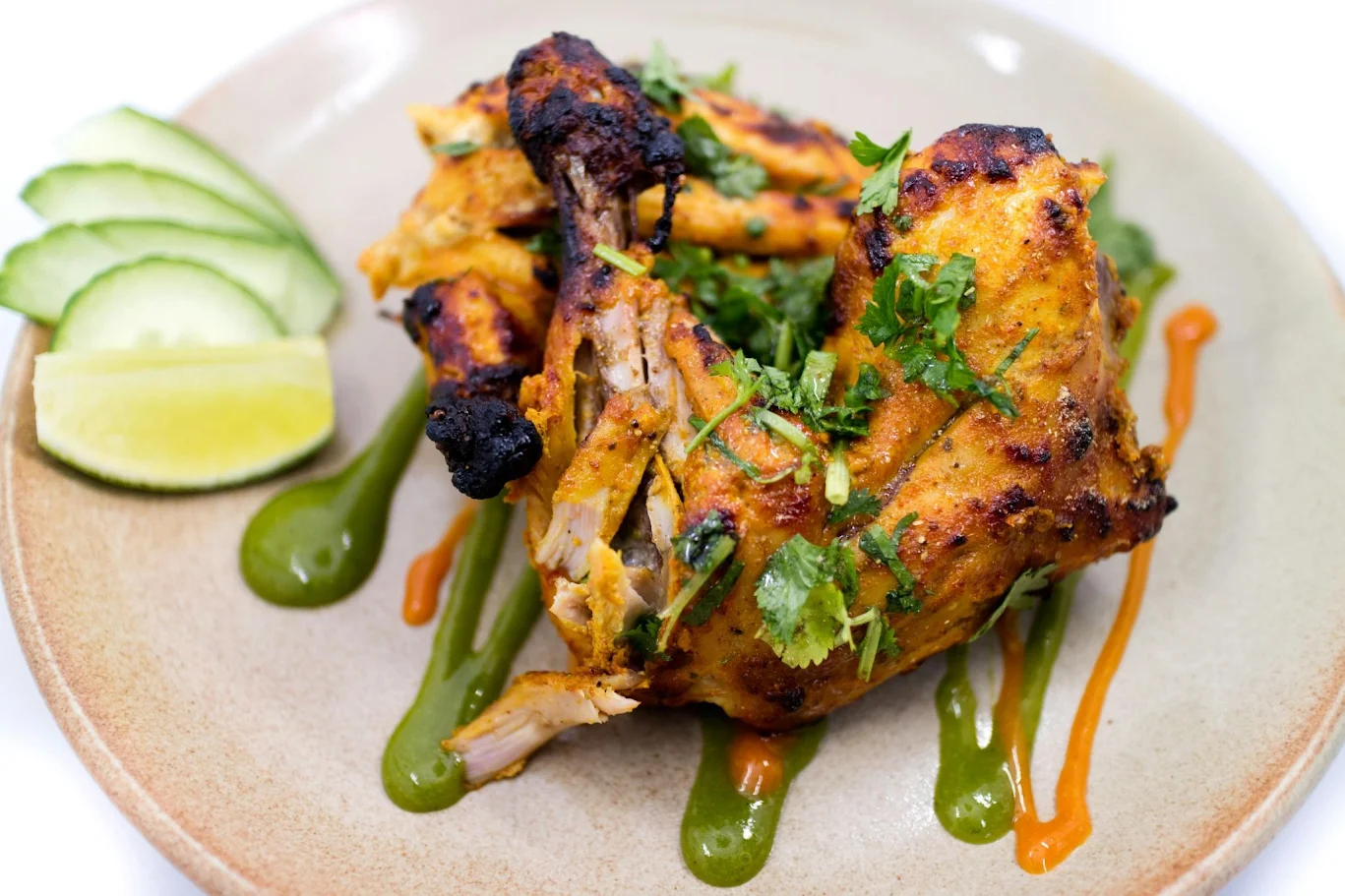
Before the sauces, before the gravies, there was the tandoor.
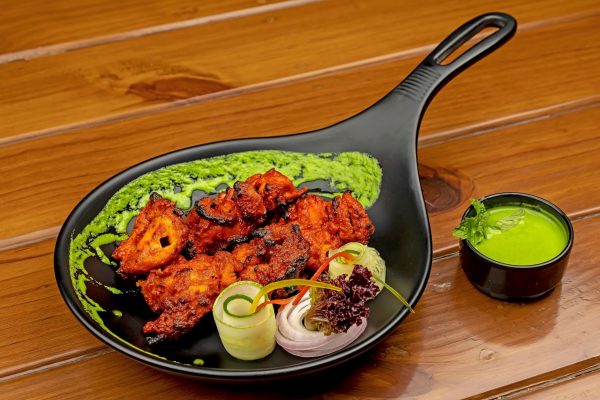
Chicken marinated in yogurt and spices, sometimes overnight, then cooked at extreme heat in a clay oven. The yogurt tenderizes the meat, the spices build a crust on the outside, and the heat of the tandoor creates that characteristic char on the edges that you cannot replicate in a conventional oven, no matter how hard you try.
Tandoori chicken is the thing guests drift toward when the live station is running. The smoke, the color, the way it looks coming off the skewer. It is visually compelling, and the flavor backs up every bit of that promise. Served with mint chutney and sliced onion, it is one of those starters that sets the tone for the entire meal.
Garlic Naan and Roti
A note on bread, because it matters more than people give it credit for.
The right bread changes how you experience everything else on the table. Freshly made garlic naan, pulled from a hot tandoor and brushed with butter and garlic, is not an accompaniment. It is its own thing. Guests will eat it on its own. They will use it to scoop up dal. They will hold onto it between courses because they do not want to put it down.
Roti is the everyday version, thinner and less rich, made from whole wheat flour on a griddle. It is the bread most Indian families eat at home every day, and there is a reason for that. It works with everything. At large events, having both on the table gives guests options and makes the whole spread feel more generous.
Why the Method Matters as Much as the Recipe?
This is something we talk about with clients quite a bit because it explains why the same dish can taste so different depending on who makes it.
Traditional Indian cooking is not just a list of ingredients. The order in which things go into the pot matters. The temperature of the oil when the spices hit it matters. Whether you are using whole spices or ground, fresh ginger or paste, how long the onions have been cooked before the tomatoes go in, all of these decisions accumulate, and the difference is in the final flavor.
Shortcuts exist. Pastes, pre-ground spice blends, shortened cooking times. In a high-volume commercial kitchen, they are common. The food that results is recognizable as Indian food, but it does not taste like someone’s grandmother made it. It tastes like it was made at scale, and experienced guests notice that immediately.
We do not use those shortcuts. The whole spices go in first. The onions cook until they are properly browned. The dal sits on the heat for as long as it needs to. This is simply how these dishes are supposed to be made, and we have never seen a good reason to do it differently.
How to Build a Menu That Actually Works
Planning a traditional Indian menu for an event is not about picking your six favorite dishes and hoping for the best. It is about building a spread where everything works together.
Starters set the expectation. Tandoori chicken, seekh kebab, samosas, and onion bhaji. Things that are easy to eat while standing, interesting enough to get guests engaged, and light enough not to fill people up before they sit down.
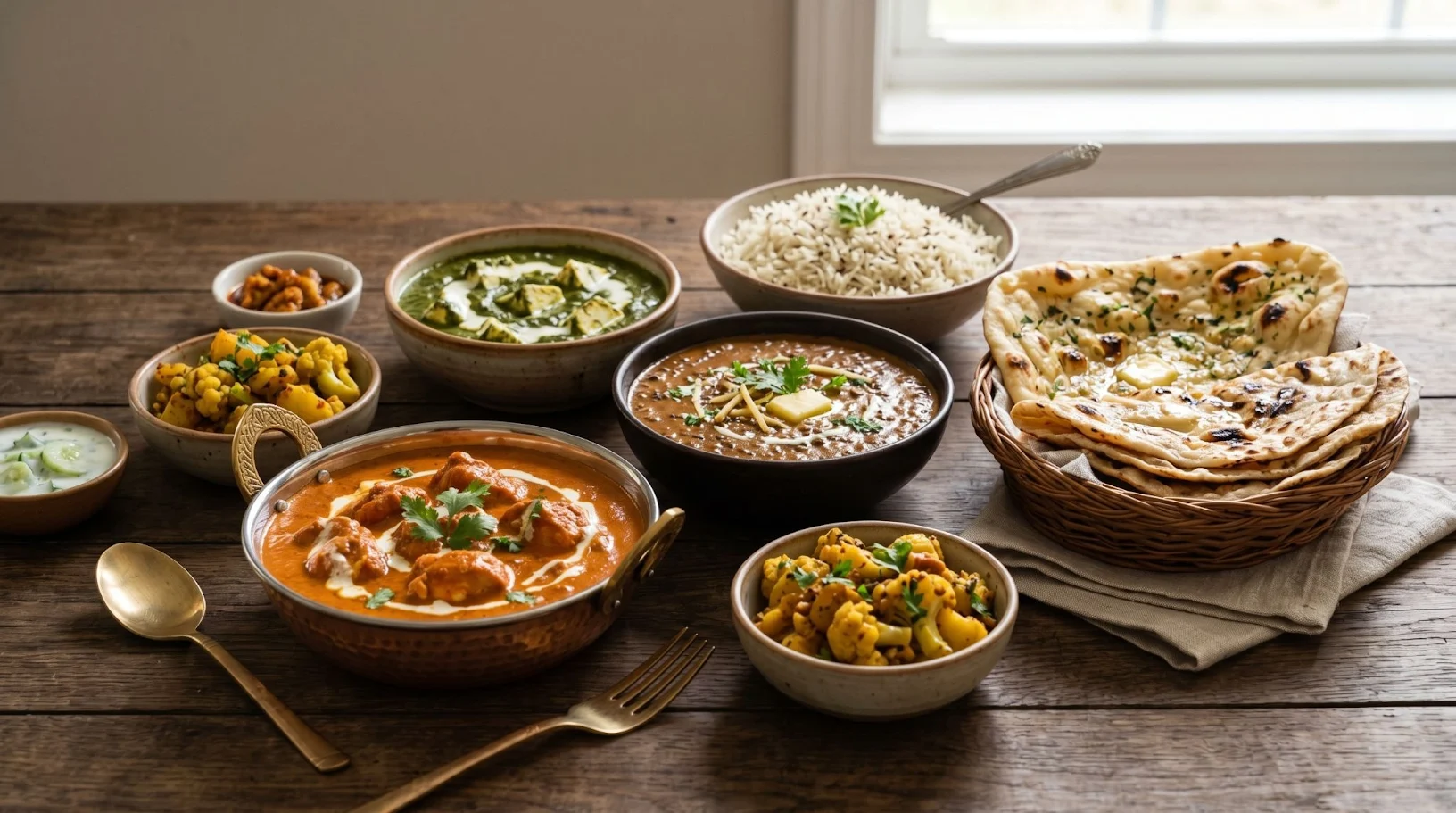
The main course needs a range. One or two meat dishes, something substantial for vegetarians, a dal that anchors everything. Butter chicken and rogan josh together cover different flavor profiles. Saag paneer and dal makhani mean vegetarian guests have a genuine choice rather than a single token option.
Bread should never be an afterthought. Garlic naan and plain roti, both fresh and warm, are made as they are needed rather than sitting in a basket getting cold.
Dessert closes things well. Gulab jamun, warm and syrup-soaked. Kheer, the slow-cooked rice pudding with cardamom and saffron. Rasgulla, if you want something lighter. The sweet course in traditional Indian food is not excessive, but it is important. It tells guests the meal is complete.
Why We Cook the Way We Cook
Maya Caterers has been cooking traditional Indian food in Sydney since 1998. The recipes we use now are the same ones we started with, adjusted and refined over time, but never fundamentally changed. They came from real kitchens, real family cooking, real experience of what these dishes are supposed to taste like.
We have never been interested in approximating traditional food. Either a dal makhani is made properly, or it is not. Either the biryani has been through the dum process, or it has not. There is no middle ground that still deserves to be called traditional.
You can read more about who we are, take a look at our full menu, or see what guests who have eaten with us have to say on our testimonials page.
If you are planning an event and you want food that people will actually remember, the classics are classics for a reason. Let us put together a menu that does them justice.
Plan Your Traditional Indian Menu
Tell us about your event. Guest count, venue, and the kind of occasion it is. We will come back to you with a menu that fits and a quote that is straightforward.
Phone: (02) 8399 3785 Email: mayacaterers.au@gmail.com