
Indian cuisine is known for its aroma and complex spice blends. That is why there is a misconception among the foodies about the Indian dishes. They treat them as oily, spicy, and unsuitable for anyone looking to lose weight.
No, that is just a misconception. Traditional Indian meals can be balanced, nutritious, and calorie-conscious. Cooking methods and ingredients used make a huge difference in converting a heavy dish into a fat burning power-house. Let us check out the high-quality, comforting, culturally authentic meals every single day while staying firmly within your calorie budget.
Can Indian Food Be Low-Calorie and Healthy?
Yes. Indian foods can be low in calories and healthy. However, you need to move away from the stereotype created about Indian food. Indian food is often misunderstood as oily or heavy. This is because global perceptions are shaped by restaurant menus.
Dishes like Butter Chicken, Garlic Naan, and Shahi Paneer are loaded with heavy cream, cashew pastes, and excessive butter. But one should remember that these are celebratory dishes. They cannot be considered to be what is eaten daily in a traditional Indian household.
The authentic home-cooked Indian cuisine is fundamentally plant-based. Spices like turmeric, cumin, mustard seeds, and fenugreek are rich in anti-inflammatory compounds and aid digestion. If the ingredients are structured properly, a traditional Indian plate is a near-perfect example for a balanced diet.
What Makes Indian Food High or Low in Calories?
Want to check out what makes the best low calorie Indian food? Well, you should focus on the basic methods and ingredients of Indian cooking.
The section may appear educational, but to grasp the true low-calorie nature of Indian food, it is essential to consider these factors.
Cooking Methods
The preparation technique determines the calorie content in your food.
- Steamed vs. Deep-Fried Foods: Avoid deep-fried items like pakoras, puris, and samosas. Instead, choose the alternatives like idlis, dhoklas, or patras. It will considerably reduce your calorie intake. Steaming requires virtually zero added fats. This will keep the ingredient’s natural calorie count intact.
- Grilled and Roasted Options: Use a tandoor, an oven, or a modern air fryer. It allows you to get the smoky flavor and crispy texture that you need. But, it uses only a fraction of the oil needed for pan-frying.
Oil & Ghee Usage
Fats are an essential micronutrient. But, they are rich in calories.
Focus on controlling fats rather than on eliminating them completely. You need not cook completely fat-free meals. According to Ayurveda, ghee possesses excellent medicinal properties. The cold-pressed oils provide vital fatty acids. It is advisable to measure your oil with a teaspoon. You may also use an oil sprayer as the easiest way to keep calories low.
Ingredient Choices
The raw materials you choose depend on how long you stay full.
- Whole Grains vs. Refined Flour: Refined flour (maida) digests rapidly. This can spike blood sugar and leave you hungry shortly after. Opt for whole grains like oats, ragi (finger millet), jowar (sorghum), and brown rice. They provide a steady release of energy.
- Lentils, Vegetables, and Lean Proteins: Build your meals around lentils (dal), fiber-rich regional vegetables, and lean proteins. These include chicken breast, fish, tofu, or low-fat paneer. It provides you with a high-volume, low-calorie plate.
Portion Sizes
Even the healthiest food can be problematic if you eat it in excess. That is why it is important to strike the right balance between balanced meals and oversized servings. Imagine you eat four whole-wheat rotis with a small bowl of vegetables. That would mean your micronutrients will tilt towards carbohydrates.
| Key Takeaway
Reducing excess oil and using healthier cooking methods significantly lowers calorie intake. You need not change your menu to reduce the same. |
Best Low-Calorie Indian Foods You Should Try
So, are you looking for foods that are lower in fat yet delicious? The following stellar low calorie Indian foods should be an excellent option.
Moong Dal Chilla
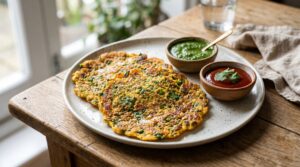
This is a pancake made with soaked yellow or green moong dal. It is a savory, protein-rich pancake that you can further customize to your liking. The pancake can be customised with finely chopped onions, green chilies, and fresh coriander. It lets you feel full and low in calories. It should be a perfect alternative to flour-based crepes.
Ragi Dosa
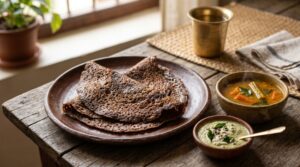
The dish is made using finger millet flour and fermented urad dal. It is a high fiber south Indian delicacy. Ragi is rich in calcium and iron. It also has complex carbohydrates that break down slowly in the bloodstream. The Ragi Dosa is a perfect dish for preventing energy crashes and late-night cravings.
Sprouts Salad
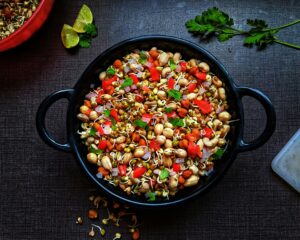
The dish is perfect for a midday crunch. The sprouts salad uses steamed or raw sprouted moong beans and chickpeas, They are tossed with diced cucumbers and tomatoes, chaat masala, and a squeeze of fresh lemon juice. A high-fiber and high-protein combination takes a long time to chew. This can help you stay full for a long time.
Moong Dal soup
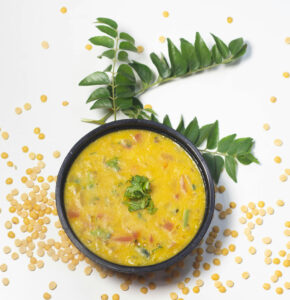
Want something comforting and incredibly light? Moong Dal Soup is a perfect option. It provides a clean, easily absorbable source of plant protein. Despite that, it is extremely light yet nutritious. You can choose a seasoned Moong Dal Soup (or watered-down dal fry without the heavy oil tempering.
Tomato Rasam
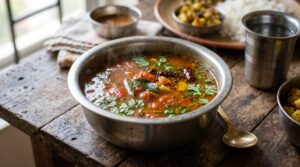
This is the most popular and tangy South Indian broth. The dish is made from tomatoes, tamarind, black pepper, and cumin. Rasam is a low-calorie South Indian soup that helps stimulate metabolism. It also aids in better digestion.
Poha
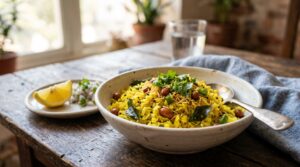
It is the most beloved staple diet across western and central India. The dish is made with flattened rice. It is sauteed with mustard seeds, turmeric, curry leaves, and onions. It should be the classic lightweight breakfast item. It comes with quick-burning carbohydrates that provide energy without leaving you sluggish.
Tandoori Chicken
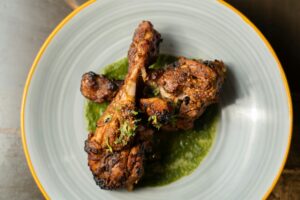
If you are a meat-eater, Tandoori Chicken is the ultimate weight loss food. It has lean chicken pieces marinated in a spiced yogurt blend and cooked at high heat. It is grilled and not fried. This removes excess fat. You will have a succulent, smoky, high-protein masterpiece.
Vegetarian Upma
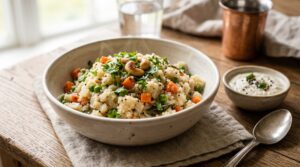
The Upma is typically made from semolina or broken wheat. It is also loaded with carrots, peas, and green beans. It is highly balanced and easy to digest. It should be one of the excellent week day breakfast or a post-workout recovery food.
Lauki (Bottle Gourd) Dishes
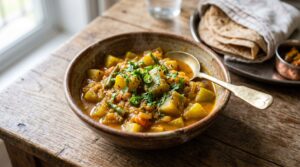
The vegetable is quite unappreciated in Indian homes. But it is an excellent option for weight loss. It consists of 90% of water and provides the best possible hydration. Dishes like Lauki Sabzi and Lauki Soup are quite popular as the best low-calorie Indian dishes.
Cucumber Raita
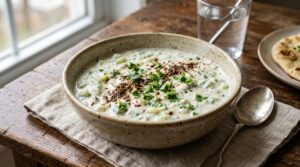
No Indian meal is complete without a side dish. Raita is one of the most popular options in this context. It is made with low-fat curd, grated cucumber, and roasted cumin powder. Raita creates a cooling effect and also introduces beneficial bacteria into your gut.
| Did You Know?
Many low-calorie Indian dishes are naturally rich in fiber and protein. That makes them vastly superior for appetite regulation compared to processed Western diet foods. |
Low-Calorie Indian Breakfast Ideas
Beginning your day with the right macronutrients can help you avoid overeating later in the day. Healthy Indian breakfasts often combine fibre, protein, and slow-digesting carbs. This will keep your energy levels completely stable.
Oats Upma
The upma replaces semolina with roasted oats. It increases the intake of beta-glucan, a soluble fiber. This breakfast item is highly heart-healthy and results in feeling full for a long time.
Idli and Sambar
Steamed rice and lentil cakes are served with a vegetable-packed lentil broth. It should offer you an excellent balance of complex carbohydrates and plant proteins with almost zero oil.
Besan Chilla
It is made using gram flour. The chilla is very easy to whip up. It provides a steady dose of zinc, folate, and protein for vegetarians.
Vegetable Poha
You can improve your standard poha with this approach. Increase the volume of added green peas, carrots, and bell peppers. Add a handful of roasted peanuts for healthy fats.
Low Calorie Indian Lunch & Dinner Options
Focus on creating a plate that has enough vegetables and proteins. The primary objective should be to make sure that the flavor is not compromised. However, take care that the meal is balanced to support weight management.
Dal + Brown Rice
This is a classic Indian lunch or dinner option. Combining lentils with rice provides you with a complete protein chain with all non-essential amino acids. We recommend using unpolished brown rice or hand-pounded rice for that extra fiber. It can effectively slow down digestion and keep you full for hours.
Grilled Paneer with Vegetables
Vegetarians typically struggle to keep their protein intake balanced. Consider cubes of low-fat paneer (cottage cheese) with bell peppers, onions, and broccoli. Rub them with a slight spice and grill them for a delicious high-protein lunch.
Tandoori Fish or Chicken
Consider serving Tandoori Fish (like pomfret or basa) or chicken breast with a large green salad and mint chutney. This should provide you with restaurant quality food low in carbs. It also contains muscle-building protein and omega-3 fatty acids.
Mixed Vegetable Sabzi
It is a dry or semi-gravy preparation using cauliflower, beans, carrots, and peas cooked in a minimal tomato-onion gravy. You can eat it with a single whole-wheat or jowar roti to experience a satisfying, traditional meal.
Khichdi with Vegetables
It is a single-pot meal prepared with rice and moong dal. It is highly restorative. You can load it heavily with seasonal vegetables and use a 2:1 ratio of dal to rice. This will help you get an overall high protein intake.
High Protein Low Calorie Indian Foods
In today’s fitness landscape, it is essential to hit the protein intake without increasing calories. Protein-rich Indian meals help improve satiety and support healthy eating goals by preserving lean muscle mass during fat loss.
- Moong Dal Recipes: From sprouts to protein-packed crepes, moong dal remains a cornerstone of clean Indian eating.
- Chana-Based Dishes: Kala Chana (black chickpeas) are incredibly dense in dietary fiber and protein. You can have them boiled as a chaat or cooked into a light, non-greasy gravy.
- Paneer in Moderation: Eat for paneer made from low-fat or skimmed milk. It gives you all the muscle-building benefits of casein protein. You can achieve it without the heavy saturated fats found in full-cream varieties.
- Egg Bhurji: It is an Indian-style scrambled egg dish packed with onions, tomatoes, and spices. Use one whole egg combined with three egg whites to make it. This helps maximise the protein-to-calorie ratio.
- Grilled Tandoori Proteins: It includes chicken, fish, or even skewered tofu cubes marinated in hung curd and spices. It provides pure, unadulterated lean protein with zero hidden sugars or starches.
Traditional Indian Foods That Are Surprisingly Healthy
Most of the modern dietitians and health experts advise eliminating ethical diets and adopting western food habits. This is a huge mistake. Several traditional Indian foods are surprisingly healthy.
In fact, traditional Indian foods often combine nutritional value, digestive support, and balanced ingredients.
Check out these healthy foods that come from the traditional Indian kitchens. In fact, these are better than the Western diets-
- Khichdi: Far from being just “sick food,” it is a perfectly balanced Ayurvedic meal. It is exceptionally easy on the gastrointestinal tract. Khichdi allows your body to assimilate nutrients efficiently.
- Rasam: The heavy presence of black pepper and tamarind in rasam provides a powerful metabolic boost. It also assists your stomach in breaking down complex proteins.
- Idlis: Idlis are steamed. Thus, they contain absolutely no added fats. They are highly digestible and perfect for an active lifestyle.
- Sambar: It is a clever combination of protein (pigeon pea dal) and high-fiber vegetables (drumsticks, pumpkin, okra). That makes it a highly nutritious, low-glycemic accompaniment.
- Fermented Foods like Dosa: The natural fermentation process used to make dosa and idli batter creates beneficial lactic acid bacteria. These natural probiotics improve gut health. That would play an essential role in regulating metabolism and reducing overall inflammation.
Low-Calorie Indian Snacks
The period between lunch and dinner is what makes you go off track during a fitness journey. When hunger strikes at 4 pm, skip those Namkeens and opt for low-calorie Indian snacks.
Here are a few great Indian low calorie snacks that you can check out-
- Roasted Chana: Dry-roasted yellow chickpeas are crunchy, savory, and incredibly rich in both protein and fiber. A small handful completely curbs afternoon hunger pangs.
- Sprout Chaat: Mix sprouted lentils with chopped raw mango, cucumber, and chaat masala for a refreshing, tangy snack that satisfies your taste buds without adding heavy calories.
- Fruit Chaat: A sweet and savory mix of seasonal fruits like papaya, apples, guava, and pomegranate, lightly dusted with black salt and cumin powder.
- Air-Fried Samosas: Are you looking for comfort food? Make a homemade samosa using a whole-wheat crust. Stuff it with a lightly spiced green pea and paneer filling, and air-fry it until golden brown.
- Makhana (Fox Nuts): Makhana is an exceptional low-calorie alternative to popcorn. When dry-roasted with a little ghee and a pinch of turmeric, these puffed seeds provide a satisfying crunch and antioxidants.
Common Mistakes People Make While Trying to Eat “Healthy” Indian Food
Despite your best efforts, you may still notice that your weight loss journey isn’t successful. This can be a result of hidden calorie traps.
It is important to identify these traps and make sure that your hard work pays off.
Using excess oil
You may be cooking the best healthy options like spinach or bitter gourd. But, free pouring of oil can invariably increase the calorie count. Always use a measuring spoon to track your cooking fats accurately.
Eating Large Portions of Rice or Bread
You might be having a huge mountain of white rice and pair it with a little dal. This can cause a sharp rise in your blood sugar. The ideal plate structure should be such that your carbs act as a side dish. The vegetables and proteins should take a centrestage.
Depending Too Much on Packaged “Healthy” Foods
Many packaged “healthy” foods may still contain excess sugar or calories. Avoid the fancy labels like “diet chips,” “baked chips,” or “sugar-free digestive biscuits”. They are loaded with refined starches, palm oil, and hidden artificial preservatives.
Skipping Protein
An all-vegetable meal like Aloo Gobi paired with roti provides plenty of fiber and carbohydrates. But it lacks the proteins. This can cause the muscle mass to drop. Make sure that there is a clear protein source present on your plate.
Avoiding Traditional Foods Completely
Most of us tend to focus on salads and smoothies because we think Indian food is too fattening. That can be counterproductive. It can result in diet boredom, cravings, and eventual binge-eating. Never avoid your traditional food completely.
Tips to Make Indian Food Lower in Calories Without Losing Flavor
You need to settle for the bland and uninspiring food for weight loss. It is easy to adopt some culinary adjustments to preserve the rich, traditional flavors of Indian cuisine while reducing the calorie count.
- Use Roasting & Grilling Instead of Frying: Invest in a high-quality non-stick pan, an air fryer, or an oven. Roasting your vegetables or proteins allows you to achieve a beautiful, crispy exterior with only a light coating of oil.
- Add More Vegetables: You can easily increase the portion size of dishes like poha, upma, vermicelli, and khichdi. Add up with finely chopped carrots, French beans, capsicum, and peas. This adds plenty of volume and nutrients to your plate without piling on extra calories.
- Reduce Cream & Butter: Avoid using heavy cream or cashew pastes to thicken your gravies. Instead, try using a smooth puree of boiled onions and tomatoes, or whisk in a few tablespoons of low-fat hung curd to get that same creamy texture.
- Use Whole Grains: Trade white rice and refined flour (maida) for wholesome alternatives like oats, daliya, millets (ragi, jowar, bajra), or unpolished brown rice. This will increase your daily fiber intake.
- Control Oil Quantity: Use an oil spray bottle or measure your cooking oils carefully with a teaspoon. Simply avoid the habit of free-pouring oil into your cooking pot. It can instantly save you hundreds of hidden calories every single day.
Sample Low-Calorie Indian Meal Plan
Well, still confused? We will give you a sample low calorie Indian meal plan. Check it out, and we are sure that you will create your own customized plans.
Breakfast – Approx 350 calories
- Two medium-sized Moong Dal Chillas stuffed with 30g of crumbled low-fat paneer
- A warm bowl of Vegetable Poha or Oats Upma loaded with mixed vegetables
Lunch – Approx 500 calories
- One medium-sized multigrain or whole-wheat roti, paired with a large bowl of yellow Moong Dal
- A serving of stir-fried Mixed Vegetable Sabzi (cooked with minimal oil)
- A small plate of fresh cucumber and tomato salad.
Evening snack
- A small bowl of roasted Makhana or dry-roasted Kala Chana
- A hot cup of unsweetened green tea or masala chai made with skimmed milk
Dinner
- A bowl of hot Tomato Rasam or a clear vegetable soup
- 150g of succulent Tandoori Chicken or Grilled Paneer
- A bowl of sautéed green vegetables.
Healthy Indian Food Trends
The approach to Indian traditional cooking is changing. Several healthy trends are emerging in Indian traditional cooking.
- Millet-Based Meals: Ancient grains like ragi, jowar, and bajra are making a major comeback, replacing refined wheat and white rice across mainstream household kitchens.
- High-Protein Indian Breakfasts: People are stepping away from purely carb-heavy breakfasts and actively prioritizing protein-first morning options like chickpea flour crepes and egg-white bhurjis.
- Air-Fried Indian Snacks: The modern air fryer has completely transformed evening snack times, making it incredibly easy to enjoy oil-free makhanas, crispy roasted papads, and healthy baked samosas.
- Low-Oil Cooking Methods: From investing in high-quality ceramic non-stick cookware to utilizing handy oil sprayers, home cooks are finding smart, practical ways to cut out unnecessary cooking fats.
- Gut-Friendly Fermented Foods: There is an increasing appreciation for the natural probiotic benefits found in traditional fermented batters like those used for idlis, dosas, and dhoklas.
Final Thoughts: Enjoying Indian Food Without Compromising Health
Contrary to popular belief, Indian food can absolutely fit into a healthy lifestyle. There is no need to opt for the expensive imported ingredients for a healthy life. Traditional homemade meals are often healthier than processed alternatives.
Want to experience the real taste of Indian cuisine without guilt? Maya Caterers offers you the chance to enjoy the real taste of India. We help you learn the natural, delicious path to wellness.